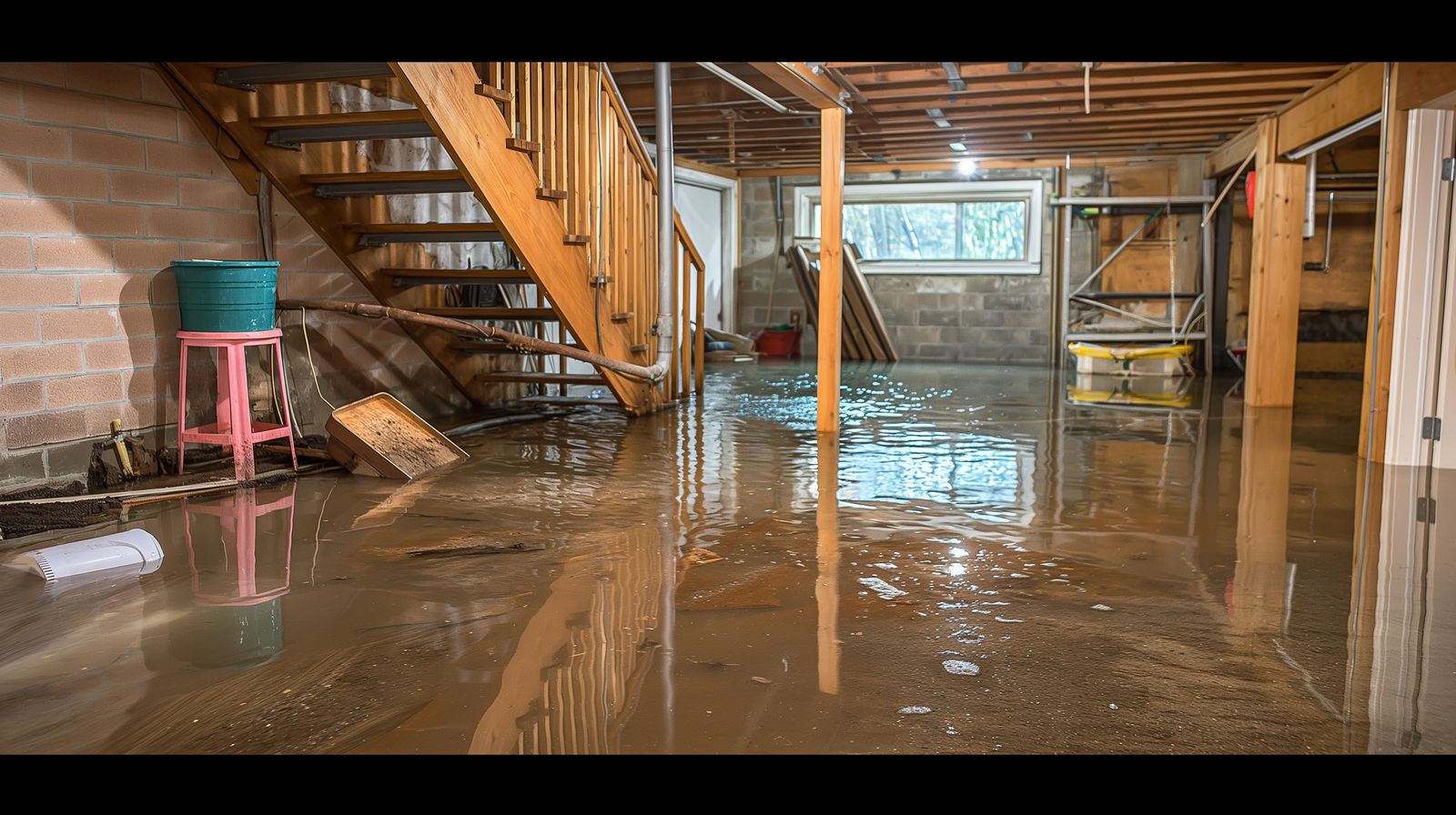
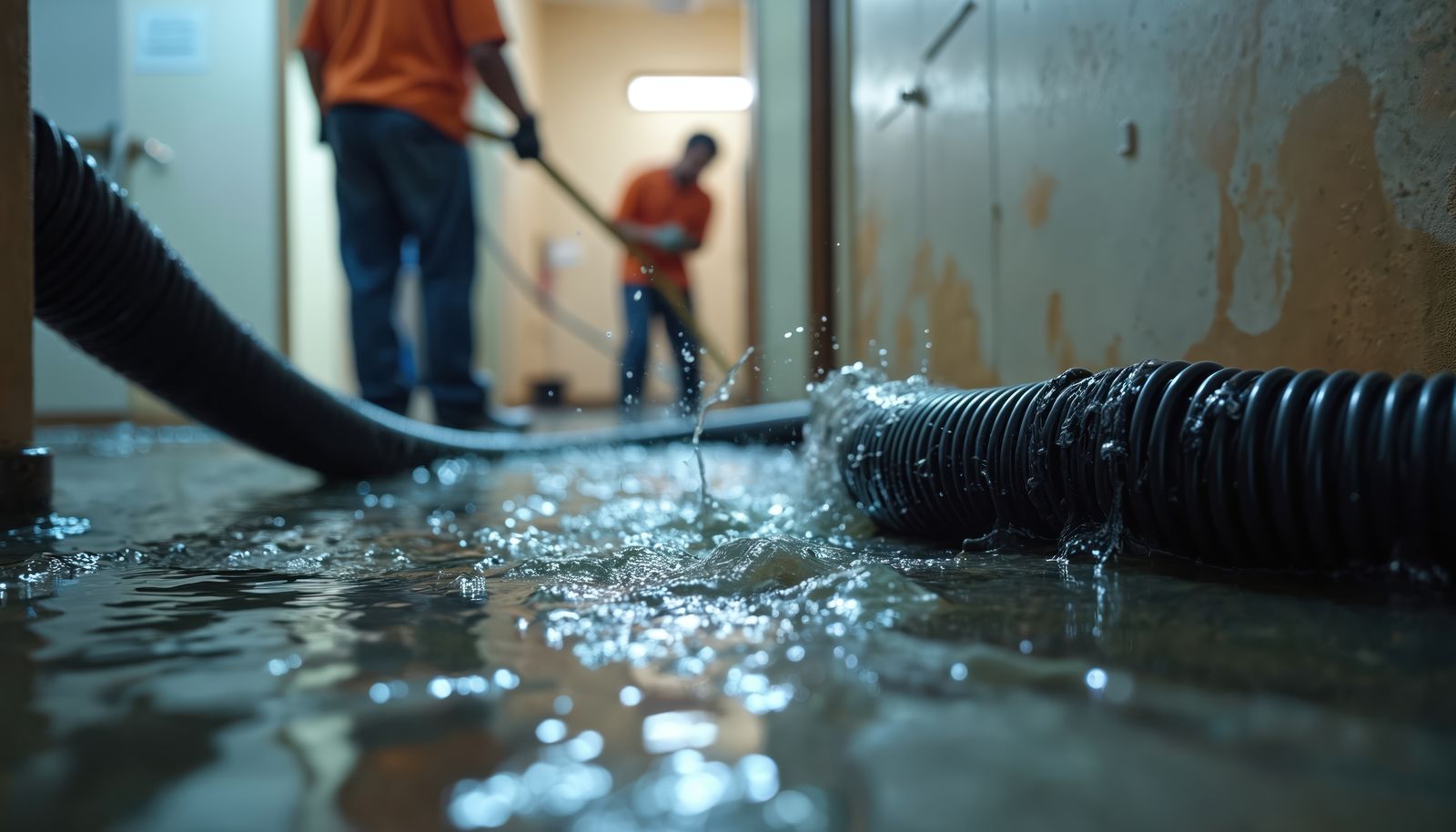
The honest answer: it depends on how the water got there — and that single detail decides more claims than any other. Here's the plain-language version of what Georgia homeowners policies cover, what they exclude, and what protects your claim.
The Rule of Thumb: Sudden and Internal = Usually Covered
What Standard Policies Are Built to Cover
Standard homeowners policies cover sudden, accidental water discharge from systems inside your home: a supply line that bursts in the wall, a water heater tank that lets go, a washing machine or dishwasher hose failure, an overflowing fixture caused by sudden malfunction, and in many cases water from roof damage caused by a covered peril like a storm dropping a limb through shingles. If it happened fast, without warning, from something inside the house — you're generally in covered territory for the resulting damage.
The Rule's Dark Side: Gradual and External = Usually Not
Gradual Leaks and Neglected Sources
The pinhole drip that stained the cabinet floor for months falls under maintenance. Insurers expect homeowners to catch and fix slow problems, and the damage they cause over time is typically excluded. The same logic applies to neglected sources — the failing roof you knew about, the water heater rusting visibly for years. Carriers can and do deny for deferred maintenance.
Flood, Sewer Backup, and the Endorsement Worth Checking
Rising water from outside — creek overflow, storm runoff entering at ground level — is flood damage, excluded from homeowners policies entirely. Flood coverage is a separate policy, and in creek-adjacent parts of Cobb County it's worth pricing. Sewer and drain backup is also excluded by default from many policies but often available as an inexpensive endorsement. Given how common backups are in older neighborhoods, that checkbox is worth a call to your agent.
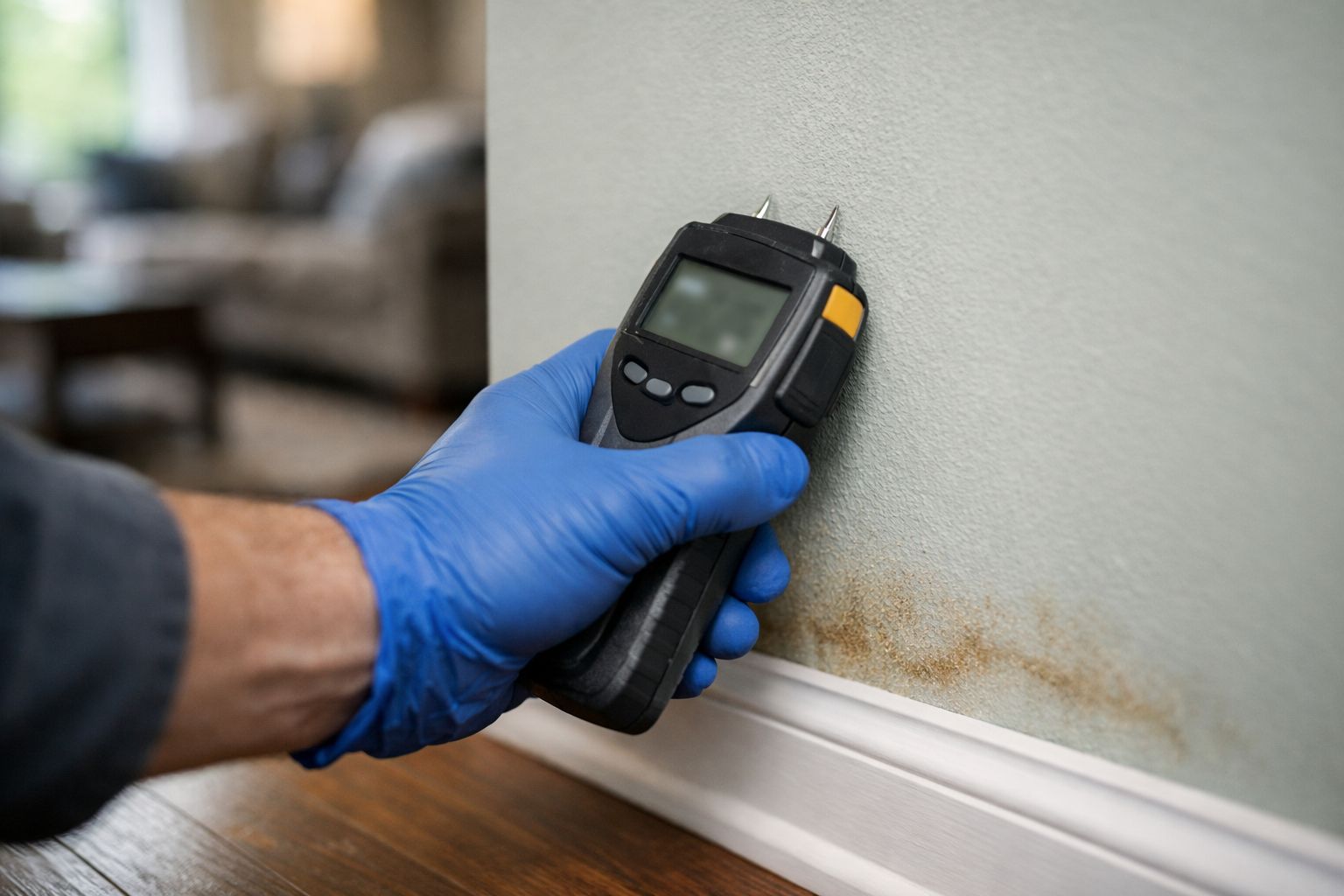
Professional water damage restoration — Marietta, GA
The Detail Most Homeowners Miss
Resulting Damage vs. the Broken Thing
Insurance typically pays for the damage water caused, not the failed component itself. The pipe that burst is your plumber bill; the soaked drywall, flooring, and drying work that resulted is the claim. It's an odd structure, but it's the standard one — and knowing it going in prevents a confusing surprise mid-claim.
What Protects Your Claim
Act Fast — It's Actually Required
Policies obligate you to mitigate further damage, so waiting days to start dry-out gives the carrier an argument to reduce payment. Photograph everything before cleanup — the water, the source, each room, the failed part — and keep the failed part. Report promptly and get your claim number. Professional moisture documentation — meter readings, drying logs, and photos in adjuster-standard format — is the difference between a smooth claim and a negotiation.
Know Your Rights, and Decide Claims Wisely
In Georgia you select your own restoration contractor — insurer vendor lists are suggestions, not requirements. And not every water event should be a claim: if damage is modest and near your deductible, paying out of pocket may beat a claim on your record. An honest restoration assessment of actual scope — including the moisture you can't see — gives you the real number to decide with, before you call the carrier.
Dealing With Water Damage Right Now?
Water emergency? Marietta crews answer 24/7 and dispatch immediately — call now or request a rapid callback.
📞 Call (678) 835-2797